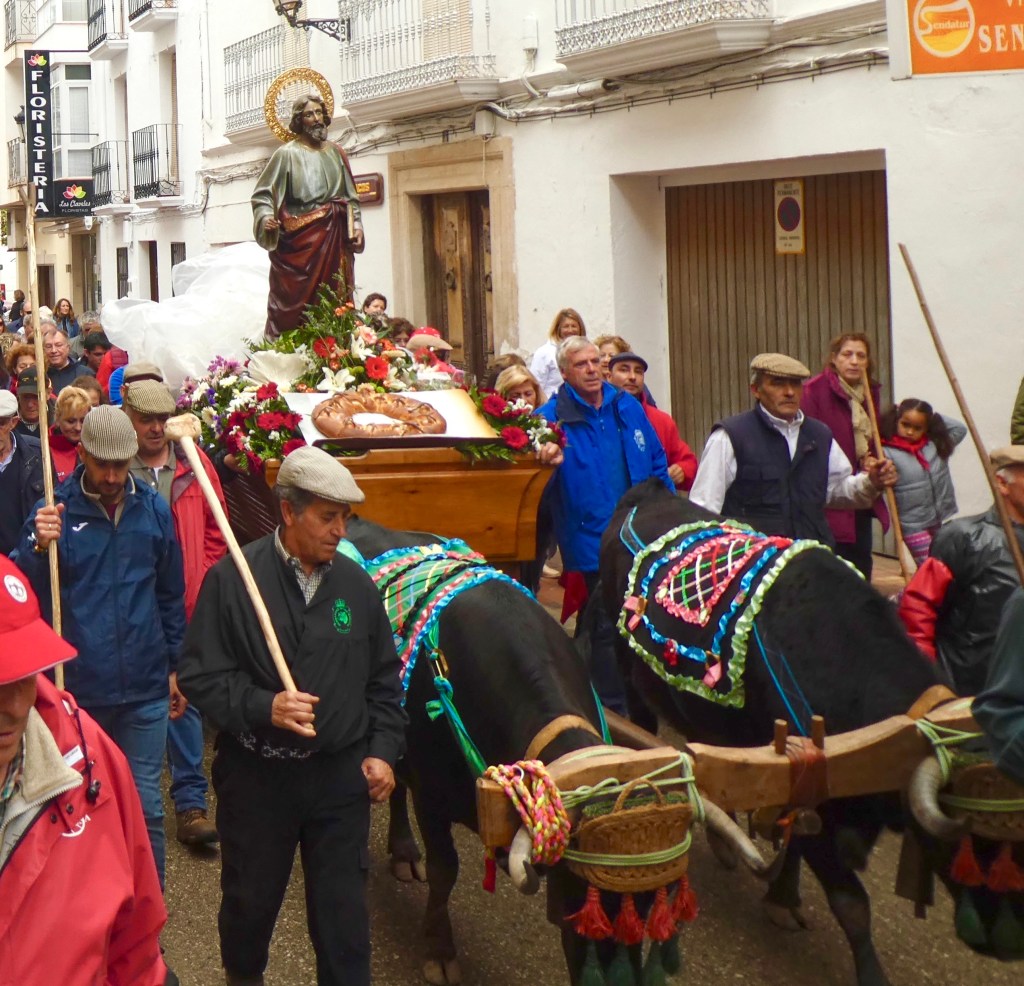
Mediterranean mountain pastoral commons are at the same time a natural and cultural subject. They are ever evolving pasturelands conserved by local populations through dynamic-adaptivecommunity governance systems implying that access to and use of these ecosystems have to follow a series of rules set up by the local communities themselves.
Highland communities governing these commons have generally a strong bond with tradition and their immediate environment and territory, which is most often linked to the conservation of the ecosystems and natural resources on which their survival depends and to which they are deeply culturally connected. This mutual interest they share, usually guarantees greater conservation outputs, important livelihoods while diminishing socio-agro-territorial conflicts.
In strictly agronomic terms, the pastoral commons of the Mediterranean mountains generally involve assemblies of pastoralists that impose a total or partial prohibition of access to a pastoral space or resource during a determined period of spring, which allows the vegetation to rest at a particularly sensitive period of flowering, grain production, etc., while exponential plant growth is also happening, and therefore maximizing fodder production. All this ensures a sustained use year after year, while protecting locals’ needs and minimizing social conflicts between users due to the high participation of rights’ holders in the governance of these ecosystems.
This practice of pastoral commons is spread practically in all Mediterranean countries. Therefore, it can be assumed that there are hundreds of thousands of commons in this region and that they could cover over half a million km2 giving them a huge spatial weight concerning the management of key and very sensitive landscapes.
Communities are strongly connected to conservation of the ecosystems and natural resources on which their survival depends and to which they are deeply culturally connected
Ecologically speaking, this type of management very often results in maintaining a denser and better preserved plant cover than in open access areas not communally managed. Biodiversity is often also more important in these commons than in counterpart areas without community governance. As a result, even though they are still poorly integrated into national policies and legal systems, the concept of the commons is now included in the political decisions and initiatives of some of the most important non-governmental organizations at the global level, such as the CBD, the IUCN, UNDP, and UNEP.
For example, in works we have undertaken in Spain and Morocco, we have found that from a minimum (on the left of the graphs) to a maximum application of the communal management system (on the right of the graphs), we can observe the increase in plant cover, as well as in biological families and species. At the same time, among others, pastoral commons, it also favors Pools for seed conservation and diffusion, Soil retention against erosion, Availability of water, Carbon sinks against climate change and Diversity of landscapes and habitats.
But it’s impossible to know their exact spatial range, their food production, or how many people are living from or being provided by them, as much as their precise environmental contributions, unless a major comparative research on these systems is launched.
This would also be the first step towards elaborating an effective protection and promotion plan that can no longer be postponed, since many of these systems are being severely threatened or in stages of deep degradation. In fact, once lost, it is very hard, to not say impossible, to rehabilitate them back again, as they are indeed much more easy to destroy than to build up, since they reached to us only after several millennia of continued co-adaptive essay and error processes between nature and pastoralists’ generation after generation.
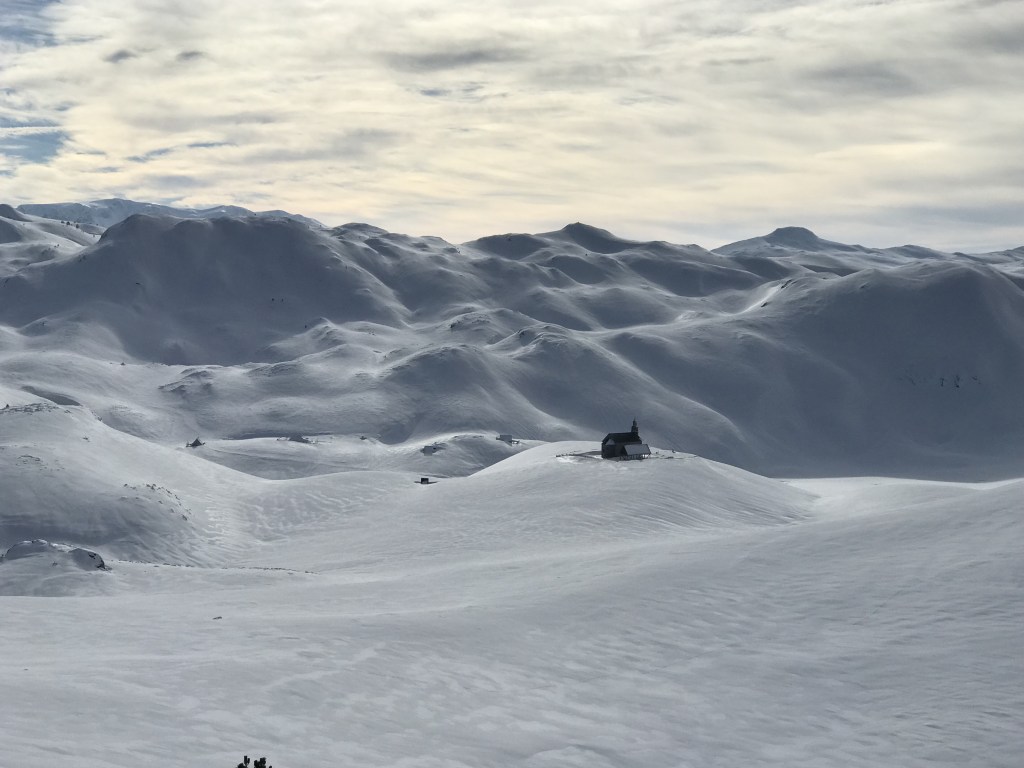
Large funding is needed for a comparative study of mountain pastoral commons across the entire Mediterranean basin to determine exactly their value in terms of biodiversity conservation, ecosystem services, fighting global warming, protection of fading cultures and in favor of sustainable development, with the aim of establishing an orderly plan for their support that could even be an inspiration at a global level.
At the same time, when there is already data on the socio-ecological interest of rural commons, actions must be urgently launched in their favor because these systems are eroding very quickly, while they will be practically irrecoverable if we do not get to them on time, and thus losing forever a living heritage several time millenary that we can’t allow ourselves as they are part of our history, our identity, our past and present ecologies and our potentials for our future survival.
 piccahers.org