Description:
HERICCA: Socio-Ecological Heritization of Indigenous and Community Conserved Areas in Spain and Morocco.
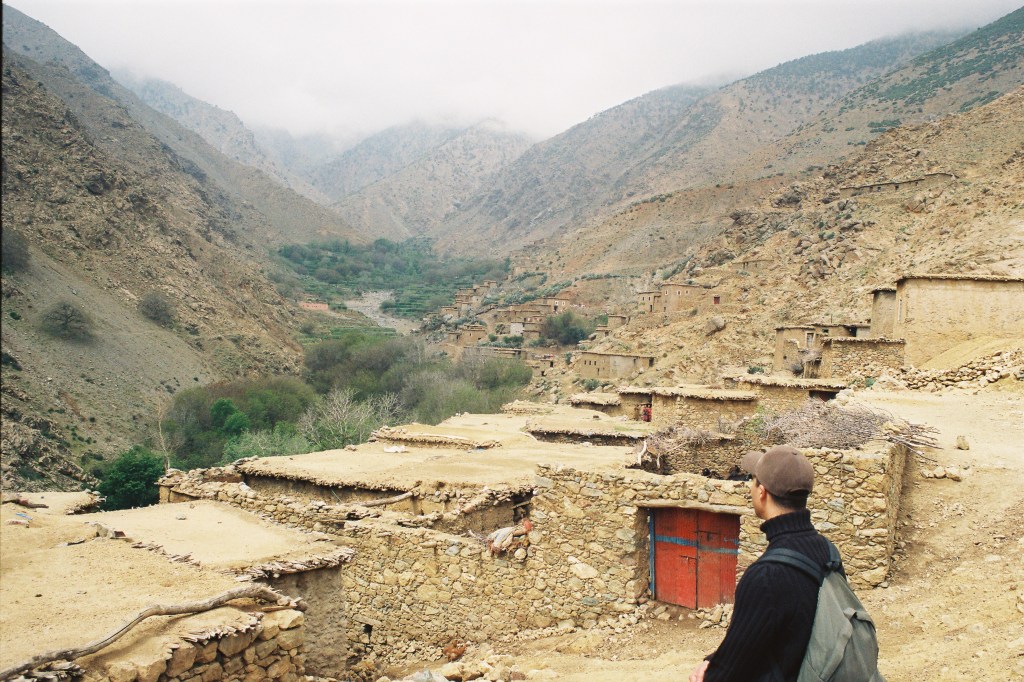
Even though there is a growing scientific demonstration of the contribution made by pastoral communities to the well-being of local societies and environmental conservation, these systems are currently suffering a strong regression worldwide. One of the main causes of this crisis can be pointed to the communication gap between science and politics. One of the ways for the necessary rapprochement of these spheres are the heritagization processes. These processes seek to establish a clear and public recognition at the local, national and international level, of the natural and cultural values of such socio-ecological systems. Therefore, the fundamental objectives of this research consist in identifying heritage elements of different commons, as well as exploring risks and opportunities of their possible enhancement (natural and cultural heritage). The chosen case studies are Sierra de Castril and the Altos de Santiago-Pontones in Spain and the Yagur in Morocco, because their respective pastures are still used today by communities of local ranchers and share certain ecological conditions as well as a arabo-berber past, and they are governed collectively through assemblies of pastoralists, whose objective, together with public actors, is the productivity and sustainable continuity of the pastoral ecosystems that maintain them.
Location:
North-eastern mountains of Andalusia (Spain) and High Atlas of Morocco.
Project Duration:
2017-2019
Key Concepts:
ICCAs, Commons; Pastoralism; Heritage; Transdisciplinarity
Funded by:
Ministerio de Economía y Competitividad de España.
 piccahers.org